Type Beat in 2026
Want articles like this for your own video to promote it on YouTube and Google? Order them through the Telegram bot @sat_sit_bot. It writes articles around your video, embeds the video and publishes them on popular niche websites (no ads). Try it free: 50 articles on us.
· based on the channel INNER BEATS
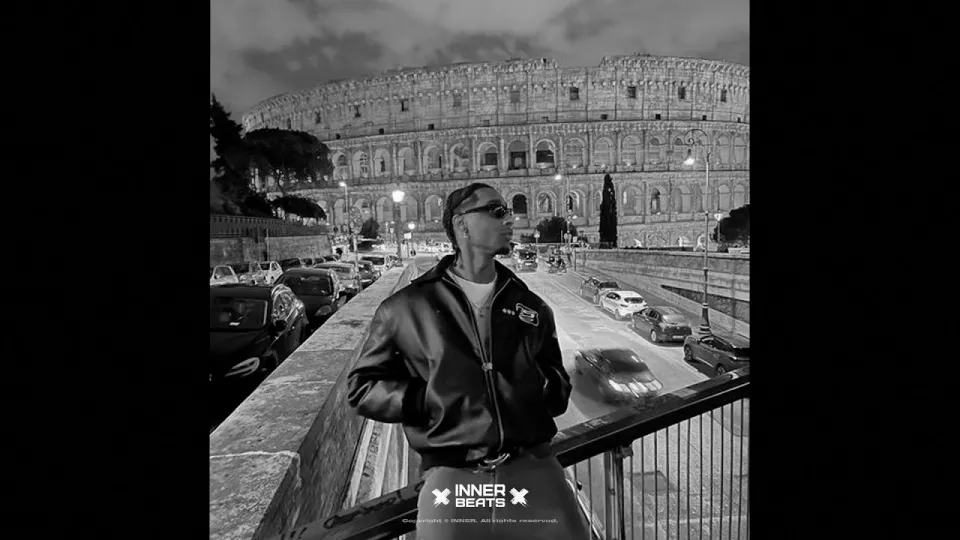
A type beat is a pre-made instrumental tagged with a style, mood, or artist reference so rappers can find a fitting sound fast. In 2026, the format is still the main entry point for independent artists: producers upload beats with clear BPM, key, and licensing info, and vocalists pick one that matches their flow. A current example is INNER BEATS' "NOTTURNO" — a hard trap type beat at 152 BPM in A♯ minor, published on 22.09.2026, with a free download and license at https://bsta.rs/Xjdbi.
What a type beat actually is and why the tag matters
A type beat is an instrumental labeled to signal its intended use — for example, "hard type beat," "dark trap type beat," or "freestyle type beat." The tag is not a legal claim on another artist's name; it is a search shortcut. When a producer writes "rap type beat" or "trap type beat 2026," they are telling you the tempo range, the mood, and the kind of delivery that fits. That saves hours of scrolling through untagged instrumentals.
For a rapper, the practical value is speed: you can filter by BPM, key, and vibe before you ever press play. For a producer, tags are how the beat gets discovered in the first place. The whole ecosystem runs on accurate metadata — the same reason INNER BEATS lists BPM, key, and a direct license link in the description of "NOTTURNO."
How to read the specs on a beat like "NOTTURNO"
"NOTTURNO" is built at 152 BPM in A♯ minor, and those two numbers tell you most of what you need before writing. Here is how to use them:
- Tempo. 152 BPM is faster than the classic 140 trap pocket but not full double-time. It works for triplet flows, mid-tempo raps, and hooks that sit slightly behind the beat. If you usually write at 140, you will feel a small push forward — adjust your syllable count per bar rather than fighting the grid.
- Key. A♯ minor is a dark, tense tonality. It suits minor piano loops, moody guitar lines, and 808 patterns that slide between the root and the fifth. If your vocal range sits higher, you can still record in A♯ minor and pitch the vocal down for a heavier texture.
- Structure. The beat's arrangement follows a standard rap layout: hook, verse, hook, verse, outro. That means you get two full verse slots and a repeated hook section to build a complete song without needing to restructure the instrumental.
- Mood tag. "Hard" and "dark" are the operative words. The beat is not a melodic, radio-friendly type beat; it is aimed at aggressive or introspective delivery, which is why commenters immediately imagined top-tier rappers on it.
Free type beat vs. licensed release: what you can and cannot do
Downloading a free type beat and releasing a song on streaming services are two different things. The description of "NOTTURNO" states the rule plainly: if you want to make profit with your music — for example, by uploading it to streaming platforms — you must purchase a license that fits your release before you publish. A free download typically covers practice, demos, and non-commercial use only.
The second restriction is registration. Whether or not you have bought a license, you cannot register your song with BMI, ASCAP, WIPO, OMPI, or any other copyright organization or Content ID system unless you hold an exclusive license. That means a standard lease lets you distribute and monetize the song, but it does not let you claim the underlying beat as your own publishing. If you plan to pitch to sync, register with a PRO, or claim Content ID, read the license tier first — the difference between a lease and an exclusive is exactly this.
Common questions rappers ask before recording on a type beat
Most doubts around type beats repeat across every comment section, and they are worth answering directly.
- "Is my music good enough for this beat?" The beat does not judge your skill; it only sets a tempo and a mood. Record a rough take, listen back, and decide whether your delivery sits naturally at 152 BPM. If it feels rushed, half-time your flow instead of changing the beat.
- "Can I collaborate with someone on a type beat?" Yes, but each collaborator needs to understand the license terms. If two artists appear on the same leased beat, the lease usually still covers one release — check whether you need an additional license for a second version.
- "Will a famous rapper sound good on this?" That is a listener's game, not a release plan. Comments comparing a beat to major artists are a mood signal, not a business strategy. Use them to confirm the vibe, then write in your own voice.
- "Can I just upload it and sort the license later?" No. Distributors can and do flag unlicensed beats, and a takedown after release costs you playlist placement and momentum. Buy the license before you schedule the release.
How to write and record on a 152 BPM hard trap beat
A hard type beat at 152 BPM rewards a specific approach. Start by mapping the beat's sections: the hook is where your most repetitive, chant-like line belongs, and the verses are where you vary cadence. Because the tempo is above the standard trap pocket, write in triplets or in a half-time feel — both sit comfortably at 152.
Next, match your vocal tone to the key. A♯ minor favors darker, chest-heavy delivery; if your voice is bright, double the vocal an octave down or add a subtle pitch layer. Keep the ad-libs sparse in the verse and dense in the hook — the instrumental already carries energy, so the vocal does not need to fill every gap.
Finally, leave headroom. Hard trap beats are mixed loud and wide, and commenters consistently praise this one for a clean, punchy low end. If you push your vocal too hot, you will fight the 808 instead of sitting on top of it. A simple gain-stage check before mixing saves hours later.
Useful links
- Free download and license for "NOTTURNO": https://bsta.rs/Xjdbi
- Producer's Instagram: https://www.instagram.com/prod_by_inner/
- Producer's Telegram: https://t.me/prodbyinner
- Contact email: beatsinnerpls@gmail.com
Final word on picking a type beat in 2026
A type beat is a tool, not a shortcut: it gives you a professional-sounding instrumental and a clear tempo and key to write against, but the release still depends on licensing and your own performance. "NOTTURNO" is a solid case study — 152 BPM, A♯ minor, hard trap mood, and a free download at https://bsta.rs/Xjdbi that becomes a paid license the moment you want to monetize. If you are building a catalog this year, treat the license as part of the production budget, not an afterthought. This breakdown was prepared by INNER BEATS, the channel behind the beat.
Key takeaways
- "NOTTURNO" by INNER BEATS is a hard trap type beat at 152 BPM in A♯ minor, published on 22.09.2026.
- A free download and license for the beat is available via https://bsta.rs/Xjdbi before any release.
- Type beats are tagged by artist, mood, or era so rappers can find a ready-made sonic lane.
- 152 BPM sits between classic trap (140) and double-time (160), fitting triplet flows and mid-tempo raps.
- A♯ minor is a dark key that suits minor-key melodies, 808 slides, and moody piano or guitar loops.
Questions & answers
Can I use a free type beat for a song I upload to Spotify?
Only if your license covers commercial release. A free download usually allows practice and demos, while streaming distribution requires a paid lease or exclusive. Check the license tier before you schedule a release, because distributors can flag unlicensed instrumentals.
What does 152 BPM mean for my flow on a trap type beat?
152 BPM is faster than the standard 140 trap pocket but slower than full double-time. It fits triplet flows and half-time raps well. If you normally write at 140, reduce your syllables per bar slightly or lean into a half-time cadence.
Why is A♯ minor common in dark trap beats?
Minor keys carry a tense, moody character that matches dark and hard type beats. A♯ minor works well with minor piano loops, moody guitar lines, and 808 slides. If your vocal sits higher, you can still record in this key and pitch the vocal down for weight.
Can I register my song with a PRO if I only bought a lease?
No. Registering with BMI, ASCAP, WIPO, OMPI, or any copyright organization and using Content ID requires an exclusive license. A standard lease lets you distribute and monetize the song, but it does not transfer the underlying publishing rights to you.
Source: "NOTTURNO" | Trap Type Beat | Freestyle Beat | Type Beat | Hard Type Beat | Rap Type Beat 2026 · Markdown version